CNC Vendor Selection Guide for Global Buyers
Effective CNC vendor selection requires evaluating technical capability, quality systems, communication, and logistics. This guide provides a step-by-step framework for global buyers to identify reliable international machining suppliers and reduce sourcing risk.
- Prioritize technical capability and quality management systems over price when selecting a CNC partner.
- Use structured site visits and trial orders to validate supplier claims before committing to large volumes.
- Define clear communication protocols and data exchange standards to minimize errors across time zones.
- Verify logistics capabilities and packaging methods to protect parts during international shipping.
Understanding the Global Sourcing Landscape
Global buyers increasingly turn to international suppliers to access specialized capabilities, competitive pricing, and expanded production capacity. However, the geographic distance and cultural differences between buyer and supplier introduce risks related to quality, communication, and logistics.
Selecting a reliable partner requires a structured approach that goes beyond a simple price comparison. Buyers must assess the supplier’s technical depth, their management systems, and their ability to meet your specific project requirements.
This guide outlines the key steps for CNC vendor selection, helping you identify and evaluate international machining suppliers who can deliver consistent results.
Assessing Technical Capability and Equipment
The foundation of any successful partnership is the supplier’s technical capability. You need to verify that the equipment they use matches the complexity of your parts.
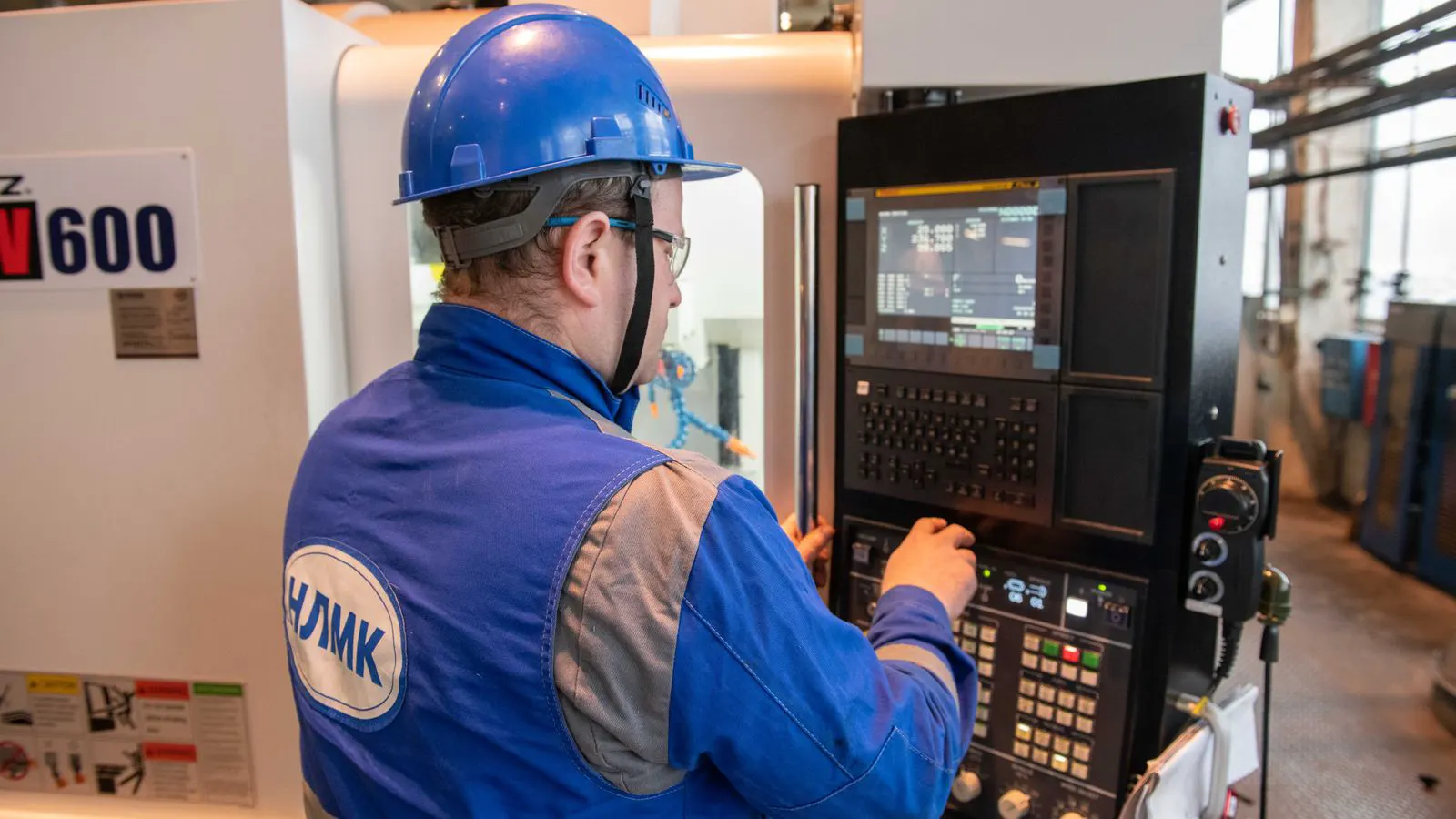
Evaluate the types of CNC machines available on the shop floor. For example, 3-axis mills handle standard part features, while 5-axis machines are required for complex geometries. Confirm the machine brands, models, and years of installation. Newer equipment often offers better precision and fewer maintenance issues, but older machines can still produce high-quality parts if well-maintained.
Consider the materials the supplier routinely processes. A shop that specializes in aluminum may not have the same expertise as one that handles titanium or hardened steel. Ask about their specific experience with your chosen material, including typical tolerances and surface finish expectations.
Evaluating Quality Management and Certification
Quality systems are critical for reducing risk in international procurement. Look for suppliers that have implemented recognized quality management frameworks. While specific certifications vary by industry, the presence of a structured system demonstrates a commitment to process control and continuous improvement.
During your evaluation, ask how the supplier manages quality at each stage of the production cycle. This includes incoming material inspection, in-process checks, and final verification. A strong supplier will have defined procedures for handling non-conforming parts and for implementing corrective actions.
Request documentation of past quality audits. Many international machining suppliers undergo periodic reviews by their clients or third-party agencies. These audits provide insight into the supplier’s actual practices and their ability to maintain consistency over time.
Navigating Communication and Project Management
Communication breakdowns are a common source of error in global manufacturing. You need a supplier that understands your technical drawings, tolerances, and expectations, and can communicate clearly about potential issues.
Assess the supplier’s project management structure. Who will be your primary point of contact? How will they handle design questions or drawing clarifications? A good partner will assign a dedicated project manager who understands your industry and can bridge the gap between engineering and production.
Language barriers can be a significant challenge. While many machining professionals speak English, technical terms can be misinterpreted. Consider requesting that all correspondence and technical documents be reviewed by a bilingual specialist if necessary.
Defining Logistics and Packaging Requirements
Logistics can be a major factor in the total cost and timeline of your project. International shipping adds complexity, including customs clearance, freight costs, and transit times.
Work with the supplier to define the packaging method. Parts must be protected from damage during transit, and the packaging should be suitable for the weight and fragility of the components. Ask about their experience with international shipments and whether they have a preferred freight forwarder.
Clarify the Incoterms for the transaction. These international trade terms define the responsibilities of the buyer and seller regarding costs and risks. Choosing the right Incoterm can help you manage costs and ensure that you are not liable for damages that should be the supplier’s responsibility.
Comparing Price and Total Cost of Ownership
Price is an important factor, but it should not be the sole driver of your decision. A low price can sometimes indicate hidden costs or compromised quality.
When comparing quotes, look at the total cost of ownership. This includes the part price, shipping, insurance, potential rework costs, and the value of your time spent managing the supplier. A slightly higher price from a reliable partner can be more cost-effective than a low price from an unreliable one.
Ask about volume discounts and long-term pricing agreements. If you plan to order consistently, negotiating a fixed price or a tiered pricing structure can help you budget more accurately.
The CNC Vendor Selection Criteria Table
Use the following criteria to score and compare potential suppliers. This table helps standardize your evaluation process and ensures that all key factors are considered.
| Criterion | What to look for | Why it matters |
|---|---|---|
| Technical Capability | Machine types, material experience, tolerance capability | Ensures the supplier can produce your parts to specification |
| Quality Systems | Documented procedures, audit history, corrective actions | Reduces risk of defects and non-conformance |
| Communication | Designated contact, response time, language clarity | Prevents misunderstandings and delays in project execution |
| Logistics | Packaging methods, shipping experience, Incoterms | Protects parts and ensures on-time delivery |
| Financial Stability | Years in business, client references, financial health | Indicates long-term viability and reliability |
| Cultural Fit | Shared values, responsiveness, willingness to collaborate | Builds a stronger, more sustainable partnership |
Building a Long-Term Partnership
Selecting a CNC vendor is the first step in a long-term relationship. Once you have identified a suitable partner, focus on building trust and mutual understanding.
Start with a small trial order to test the supplier’s capabilities and communication style. This allows you to evaluate the quality of the parts, the accuracy of the delivery, and the effectiveness of the communication process without significant risk.
After the trial order, provide clear feedback on your experience. A good supplier will use this feedback to improve their processes. Over time, you can increase the volume and complexity of your orders, developing a reliable partnership that supports your business growth.
Final Decision Checklist
Before finalizing your CNC vendor selection, review the following checklist to ensure you have made a well-informed decision.
- Verify Technical Capability: Confirm that the supplier has the necessary equipment and experience to produce your parts.
- Review Quality Systems: Assess their quality management processes and request audit documentation.
- Test Communication: Evaluate their responsiveness and clarity in technical discussions.
- Clarify Logistics: Agree on packaging, shipping, and Incoterms to avoid surprises.
- Conduct a Trial Order: Place a small order to validate quality and service before committing to larger volumes.
- Check References: Speak with existing clients to gain insights into the supplier’s reliability and performance.
- Assess Financial Stability: Review the supplier’s financial health and years in business.
- Define Next Steps: Establish a project plan with clear milestones and communication protocols.
Frequently asked questions
How can I verify a supplier's quality without visiting their facility?
Request recent audit reports, sample inspections, and references from existing clients. You can also ask for detailed documentation of their quality control processes to assess their commitment.
What is the best way to handle communication differences with an international supplier?
Use clear, concise language and avoid technical jargon. Confirm understanding by asking the supplier to summarize key points. Consider using visual aids like drawings and photos to clarify expectations.
Should I choose a supplier based on the lowest price?
No. The lowest price can sometimes indicate hidden costs or compromised quality. Focus on total cost of ownership, which includes quality, reliability, and communication. A slightly higher price from a reliable partner is often more cost-effective.
How long should I wait after placing a trial order before making a decision?
This depends on the complexity of the parts and the supplier's lead time. Typically, a trial order should take a few weeks. Use this time to evaluate the quality of the parts, the accuracy of the delivery, and the effectiveness of the communication process.
What are the most common risks in CNC vendor selection?
Common risks include quality issues, communication breakdowns, logistics delays, and financial instability. Mitigate these risks by conducting thorough due diligence, starting with a trial order, and establishing clear communication protocols.