How to Budget CNC Costs for Complex Multi-Part Projects
To budget complex CNC projects, define part counts, select materials, and model production stages. This structured method helps engineers and buyers estimate total spend and lead times before committing to manufacturing.
- Define part quantities and tolerance requirements before requesting quotes.
- Break down the project into distinct manufacturing phases to isolate costs.
- Include setup, tooling, and quality inspection in your total budget estimate.
- Build contingency margins into your plan to account for design revisions.
Why Standard Quotes Fail for Complex Projects
Engineers and buyers often struggle when estimating CNC machining costs for projects involving multiple distinct components. A single quote may hide significant variables related to material sourcing, tooling, and assembly constraints. Without a structured approach, budgets frequently fall short once production begins. This guide provides a step-by-step method to create a realistic financial model for complex multi-part projects.
Prerequisites: What You Need Before Starting
Before calculating costs, ensure you have the following technical documents ready. You need finalized CAD models in neutral formats such as STEP or IGES. You must also have a Bill of Materials (BOM) that lists every unique part, its material, and its quantity. Additionally, identify any special surface finish requirements or functional testing criteria. Having these documents prevents back-and-forth communication that delays the budgeting process.
Step 1: Define the Bill of Materials and Quantities
The first step is to list every unique part in the project. This includes structural components, fasteners, and any custom tooling. For each part, specify the material grade, such as aluminum 6061 or steel 17-4PH. You must also define the production run quantity for each item. This step is critical because material costs are often the largest variable in the total budget. If you have multiple revisions of a part, list them separately until the design is frozen.
Step 2: Select Materials and Verify Availability
Once the BOM is defined, you need to confirm the source and cost of each material. Different suppliers offer different pricing for the same alloy, especially for exotic materials. Check current market trends for metals like titanium or beryllium copper. This step ensures your budget reflects actual procurement costs rather than theoretical prices. It also helps identify if any materials have long lead times that might impact the project schedule.
Step 3: Break Down Manufacturing Operations
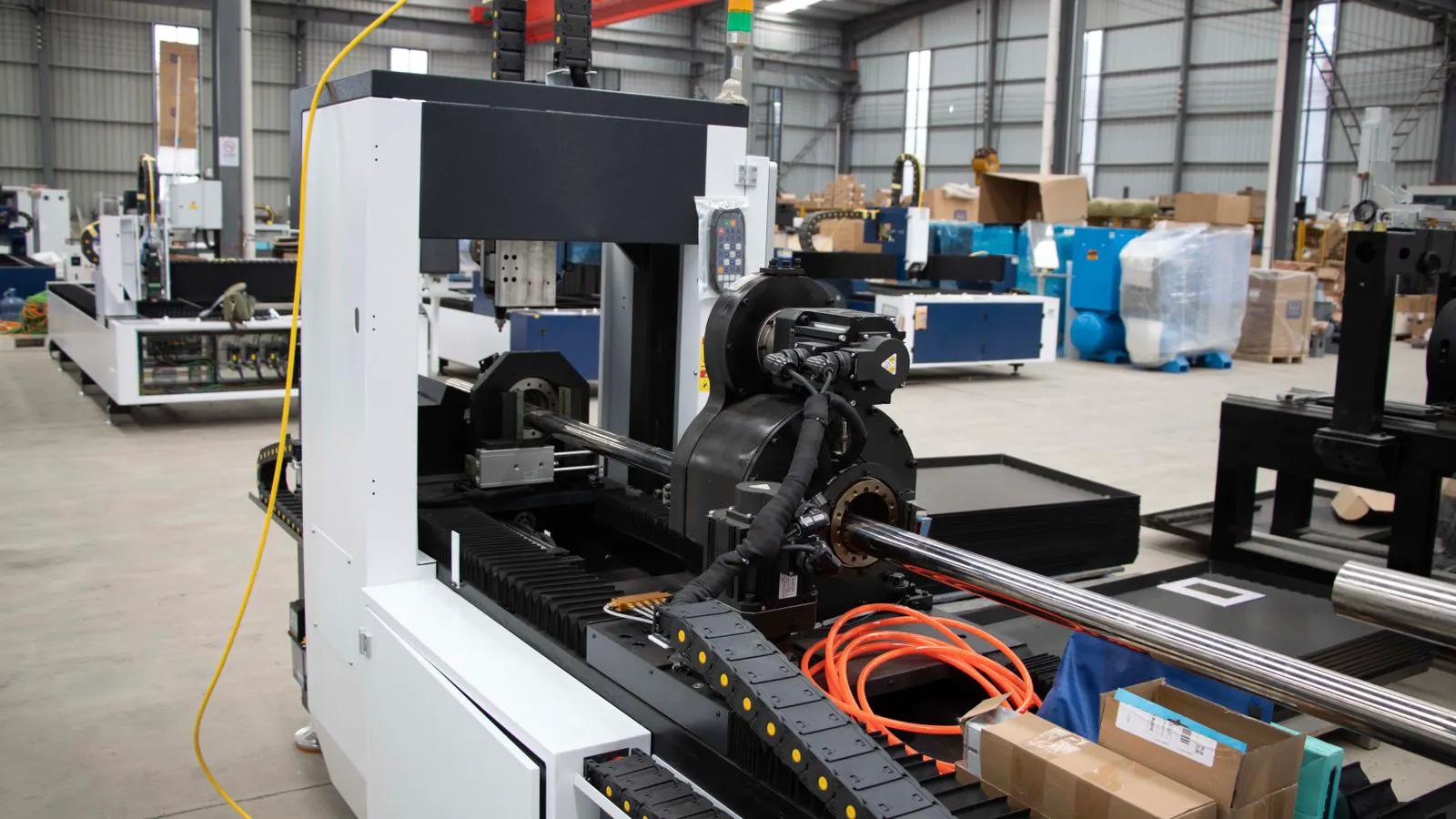
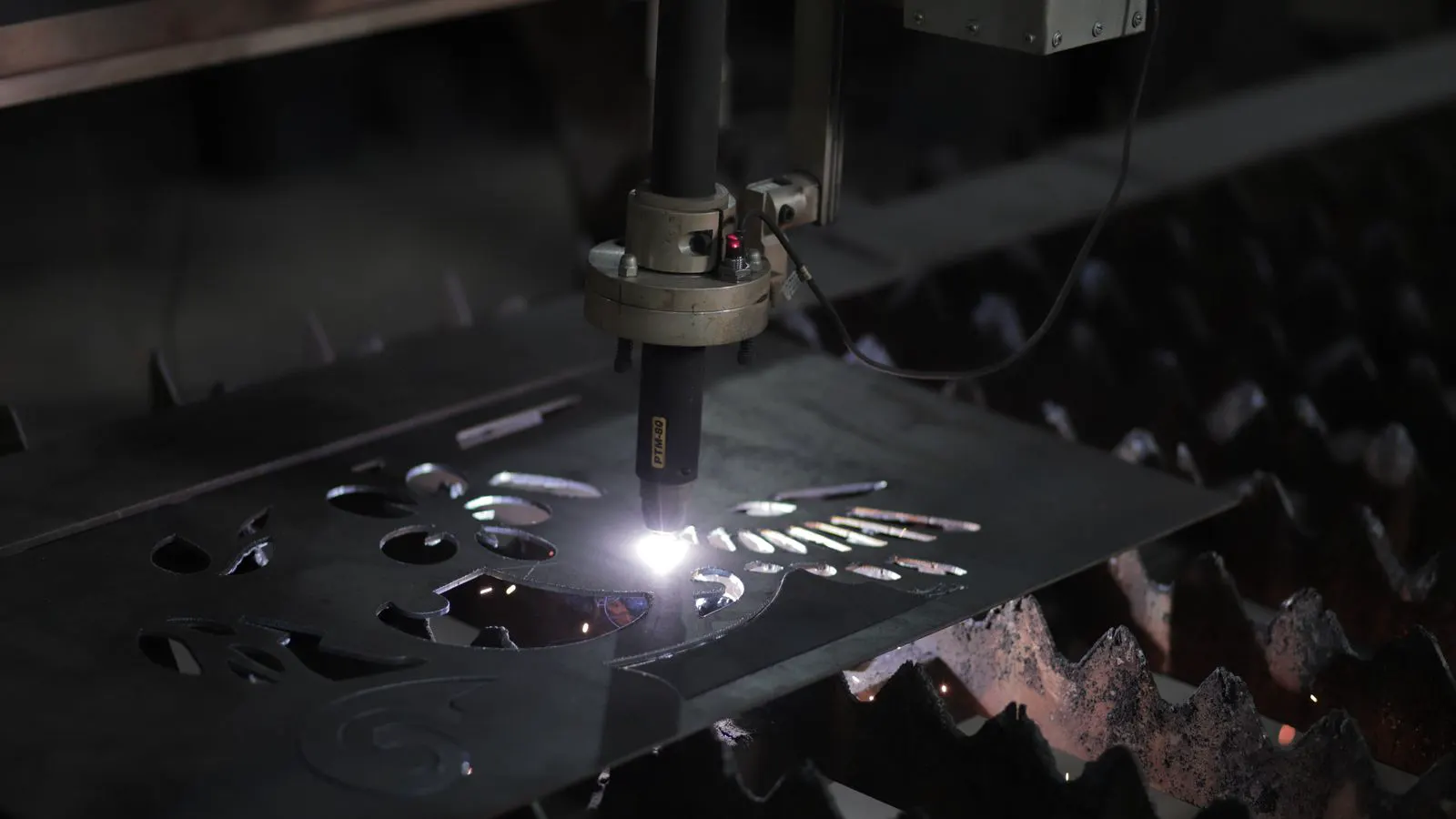
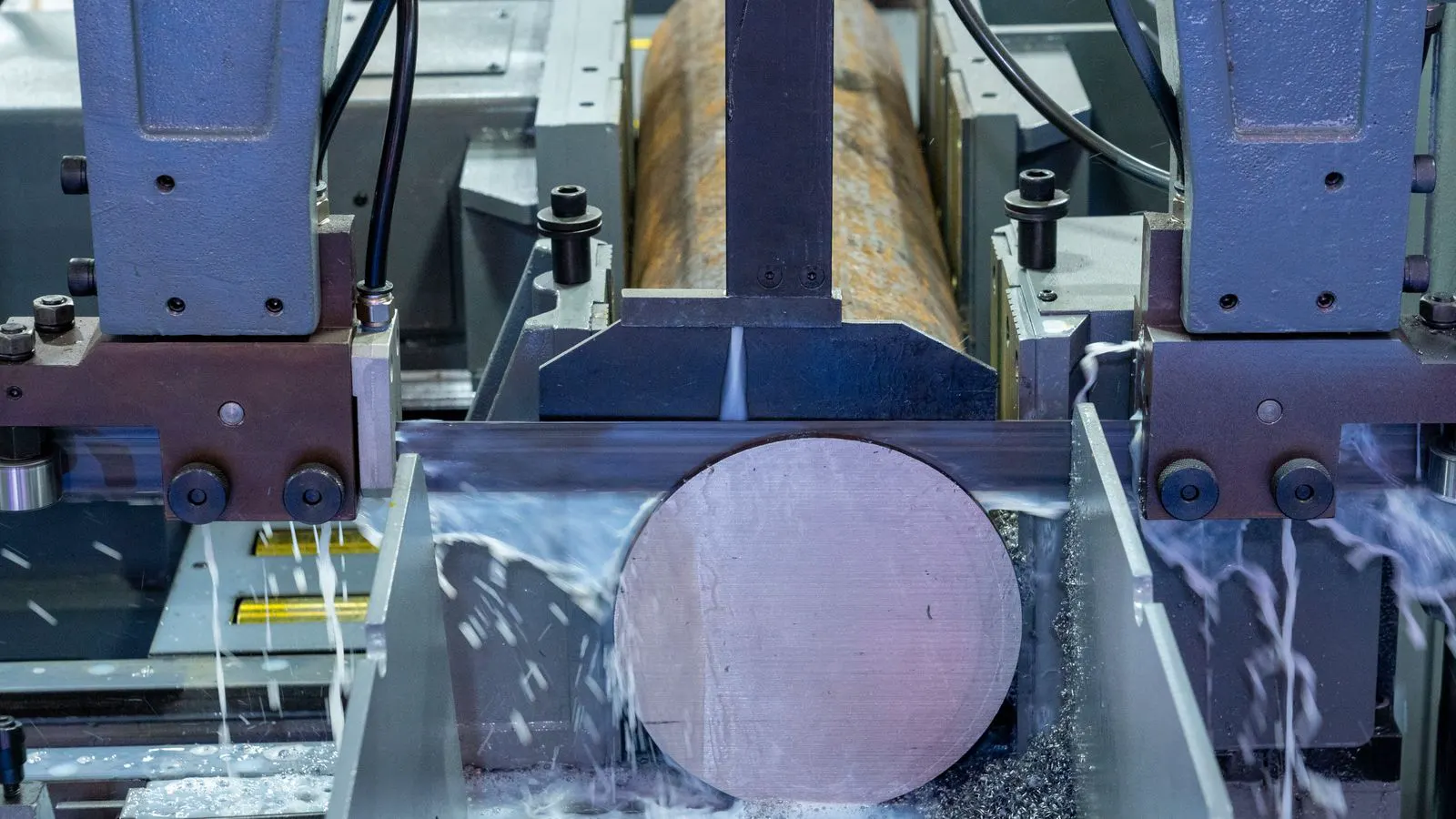
Complex projects often require multiple operations per part. For each component, list the necessary processes such as milling, turning, or drilling. Identify which operations can be performed on a single machine and which require separate setups. This breakdown allows you to estimate machine time for each stage. It also helps identify if a part needs to be split across different machines to save time.
Step 4: Estimate Setup and Tooling Costs
Setup costs are often overlooked in initial estimates. You need to account for the time required to program the machine and calibrate the tooling. If the project requires custom fixtures or special tool holders, these must be included in the budget. Tooling costs can be significant for high-precision work. This step helps prevent surprise charges that can inflate the final invoice by a large percentage.
Step 5: Calculate Labor and Machine Time
After identifying operations, you can estimate the time required for each. Multiply the estimated machine time by the hourly rate for that machine type. Include operator labor costs if the quote does not cover them. This step provides a baseline for the direct manufacturing cost. It is important to use realistic cycle times rather than theoretical maximums to ensure accuracy.
Step 6: Factor in Quality Control and Inspection
Complex projects usually require rigorous quality control. You need to budget for inspection methods such as CMM inspection or dimensional analysis. This step ensures that the final parts meet the required tolerances. It also accounts for the possibility of rework if parts fail initial checks. Including inspection in the budget prevents last-minute cost overruns.
Step 7: Add Contingency and Overhead
Finally, you must add a contingency margin to your total estimate. A common practice is to add 10-15% to the total for design changes or unexpected issues. This step protects your budget from unforeseen variables. It also allows for minor changes in material costs or labor availability. This buffer is essential for maintaining financial stability during the production phase.
Common Mistakes to Avoid in CNC Budgeting
- Ignoring Setup Costs: Many buyers underestimate the time required to program and calibrate machines.
- Using Outdated Material Prices: Metal prices fluctuate, so using old quotes leads to inaccurate budgets.
- Omitting Inspection Costs: Skipping quality control budgets can result in expensive rework later.
- Assuming Single-Source Pricing: Relying on one supplier for all materials increases risk and cost.
Final Verification Step
Before committing to a budget, review your estimates with a team member. Compare your internal calculations with at least two vendor quotes. Verify that all quantities and materials match the finalized BOM. This final check ensures that your budget is realistic and ready for project execution. It also helps identify any gaps in the initial estimate.
Cost Comparison Table for Project Phases
| Project Phase | Cost Component | Estimated Allocation |
|---|---|---|
| Design & Setup | Programming, Fixtures | 15-20% |
| Material Sourcing | Raw stock, Alloys | 40-50% |
| Machining Operations | Machine time, Labor | 25-35% |
| Quality Control | Inspection, Rework | 5-10% |
| Contingency | Buffer for changes | 10-15% |
How to Present Your Budget to Stakeholders
When presenting your CNC budgeting plan, use clear visual aids. Break down the costs by phase to show where the money is going. Highlight the contingency margin to explain why it is necessary. This transparency helps stakeholders understand the risks involved in complex manufacturing. It also builds confidence in the accuracy of your estimates.
Managing Lead Time Alongside Costs
Cost and lead time are linked in CNC projects. Choosing a faster material or a premium machine may reduce lead time but increase cost. When budgeting, consider the trade-offs between speed and expense. If the project has a strict deadline, factor in the cost of expedited services. This holistic approach ensures that your budget supports the project timeline.
Conclusion
Budgeting for complex multi-part projects requires a systematic approach. By defining the BOM, selecting materials, and breaking down operations, you can create a realistic financial model. Including setup, tooling, and inspection costs ensures that no expenses are overlooked. This structured method helps engineers and buyers make informed decisions and avoid costly surprises during production.
Frequently asked questions
How do I know if my material estimate is accurate?
Compare your material costs with current market prices from multiple suppliers. You can also request a detailed material breakdown from the manufacturer to verify the quantities used.
What is the best way to handle design changes during production?
Create a change control process that documents the impact of each revision on cost and schedule. This ensures that all stakeholders are aware of the financial implications before approving changes.
Should I include shipping and logistics in the budget?
Yes, always include shipping and handling costs in your total budget. These can add up quickly, especially for heavy or large parts that require special transport.
How often should I update my cost estimates?
Review your estimates at key milestones, such as after design freeze and before final production. This helps you adjust for any changes in material prices or production requirements.
What is the role of a Bill of Materials in budgeting?
The BOM is the foundation of your budget. It lists every part, material, and quantity, allowing you to calculate the total cost of the project accurately.